Author’s Note, I have edited this post a bit to explain why I think it’s not safe to self medicate. I know some people have no choice but if you feel anything is wrong see your GP.
Yes, I have a blood clot. This post contains very important information for any transgender person on HRT.
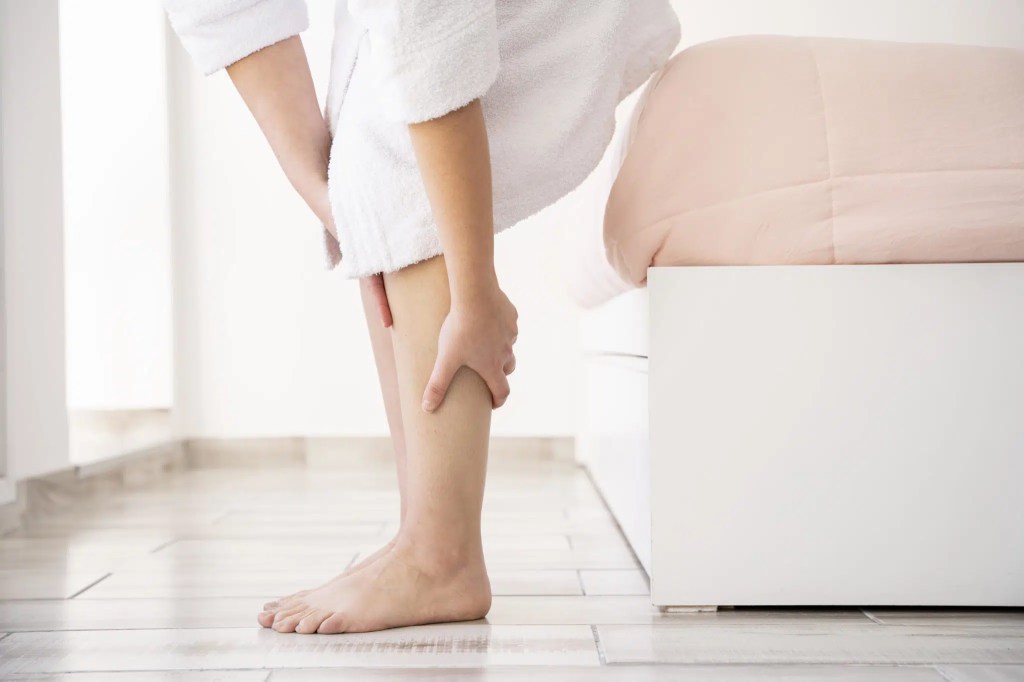
Why you should not self medicate
While I don’t recommend self-medication, if you have no other choice, please seek medical attention if you feel something is wrong.
Now I have always been with GenderGP since starting HRT 13 months ago. This last month I am now glad I did and not self-medicated.
I have a blood clot thanks to HRT. As far as I know, there are two types of blood clots, Deep Vena Thrombosis (DVT) and Superficial Thrombophlebitis (ST).
Types of Blood Clots
Deep vein thrombosis (DVT) is a condition where a blood clot forms in a deep vein, most commonly in the leg. It can also occur in the arms or other parts of the body. DVT is a serious condition because the blood clot can break free and travel to the lungs, causing a pulmonary embolism, which can be life-threatening.
Superficial thrombophlebitis (STP) is inflammation of a vein just below the skin, typically caused by a blood clot in the superficial veins, most often in the legs but sometimes in the arms, neck, or other areas. It is usually not serious and often resolves on its own within 1–6 weeks.
What type do I have?
I have Superficial Thrombophlebitis (STP). I knew something was wrong when a rash appeared on my right leg, which quickly turned deep purple the next day. I booked an appointment with my GP that day.
During my telephone appointment the following week, I explained my symptoms to them and they suggested I come in that day. Since I’ve had blood tests every three months to monitor my HRT, my GP already had a lot of information to work with. The first thing they did was measure the width of both my legs. The leg with the bruise was 3cm wider than the other, so they booked me in for a blood test the next day and prescribed blood thinners that same day.
They did mention that STP could be a side effect of HRT, but I expressed my preference for death over coming off HRT. They assured me that we would deal with it if it came to that. I want to emphasise that my GP has been incredibly supportive of me being on HRT.
A few days later, the blood test results were returned, and the GP referred me to the blood clinic. The following day, I had a scan at the clinic, which confirmed that I have a blood clot of the STP type.
Treatment
I am now on blood thinners for at least six weeks and I am having weekly conversations with the blood clinic while I am on them.
The blood clinic did give me some paperwork that says the following :-
Various Conditions can alter certain chemicals (clotting factors) in the bloodstream, which make the blood clot more easily. These include using the oral contraceptive pill, using oral hormone replacement therapy (HRT) (it isn’t an issue with HRT given through the skin as a patch, spray or gel), cancer, smoking and pregnancy. There are also less common blood disorders where blood clots develop more readily than usual
Changing HRT
I was on the pill version of HRT until this happened. After a conversation with my GP, I am now on the safer patch version of HRT.
I have also informed GenderGP of the change. They can prescribe patches or gel as well as oral HRT. My next prescription of HRT from them will be patches.
Impressed with the speed of the NHS
First of all, I would like to thank the NHS. Once I was diagnosed, they where very fast at diagnosing and treating me. I would especially like to thank my GP, Dr G (I’m not going to say there name or where they works for obvious reasons), and there team for all his support not just during this but during my journey on HRT.
This is a very good example of why self-medicating with HRT is dangerous. If you do, please seek medical attention if you experience any discomfort or issues.



Leave a comment